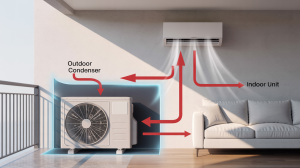
Your HVAC system might look like it’s working fine—but hidden issues could already be draining your wallet. And it’s not just about higher energy bills.
For Wichita homeowners, the warning signs often start small: a bedroom that never cools down, a fan that’s gotten noisier, or a “minor” repair that keeps coming back. These little problems can be early signals of a system headed for failure, especially when Kansas weather pushes it to the limit.
In this guide, we’ll show you how to spot the signs it’s time to replace, why waiting can cost you far more in the long run, and what smart Wichita homeowners can do to protect their comfort before a breakdown hits.
Is Your HVAC System Secretly Failing? The Signs Most Homeowners Miss
The warning signs of a dying HVAC system rarely arrive with fanfare. They slip in quietly—easy to ignore, but costly if left unchecked.
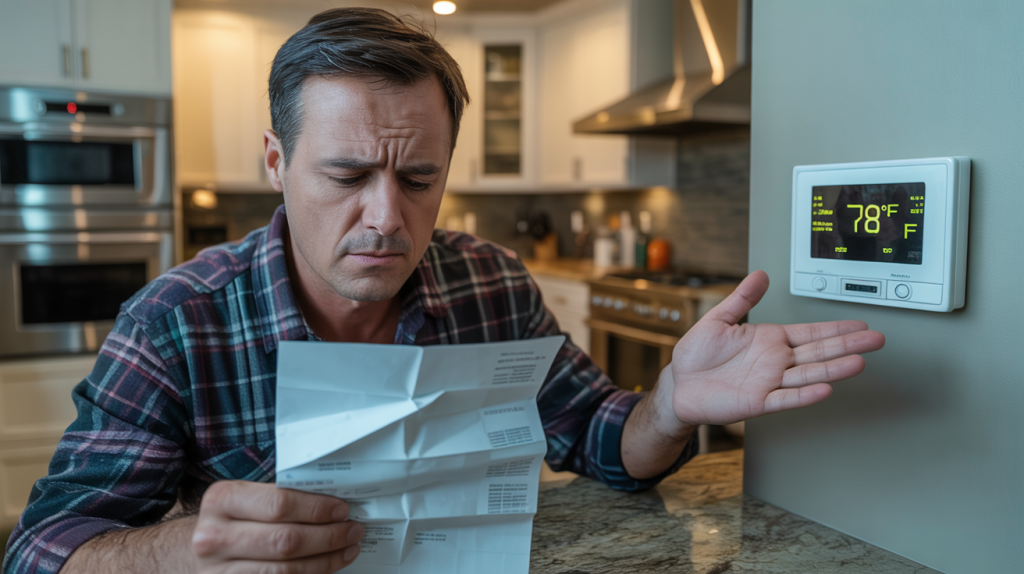
Start with your energy bill. If it suddenly jumps without any change in usage, your system may be overworking to make up for failing components like worn coils, clogged filters, or a sluggish blower. It’s one of the earliest, and easiest, red flags to miss.
Next, pay attention to uneven heating or cooling. If one room feels like a sauna while another stays chilly, you may be dealing with leaky ducts, malfunctioning zone controls, or deeper airflow imbalances that strain your entire system.
Don’t ignore the weird noises either—banging, squealing, or rattling noises that weren’t there before. These often mean loose belts, failing bearings, or compressor trouble. Left unresolved, they can escalate into costly breakdowns.
And here’s a big one: if your HVAC needs repairs more than twice a year, it’s not “just getting older”—it’s telling you it’s on its way out.
Pro Tip – The 60-Second Filter Check:
Hold your air filter up to the light. If you can’t see through it, it’s overdue for replacement. This simple habit can uncover airflow issues before they lead to mechanical failure.
Wichita Weather Is Brutal—Here’s How It Wears Down Your HVAC Faster
Wichita isn’t just windy—it’s a climate rollercoaster. Your HVAC system isn’t simply keeping you comfortable; it’s fighting a year-round battle against extreme Kansas weather.
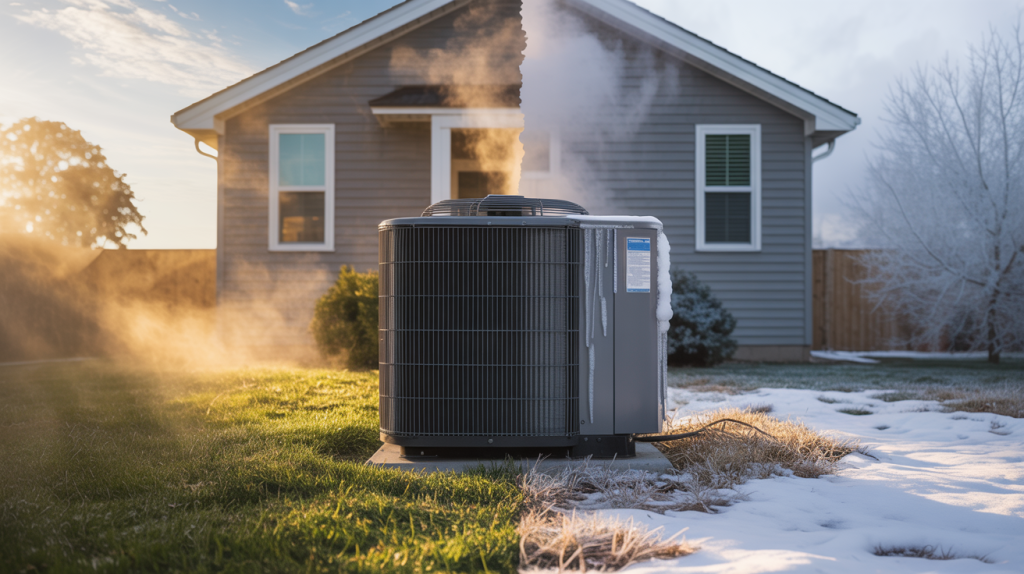
In summer, high humidity increases the risk of coil corrosion and mold buildup in your ductwork. In winter, sudden freezes followed by rapid thaws strain outdoor units and can crack vulnerable components. And then there’s spring and fall—where temperatures can swing 40 degrees in a single day, forcing your HVAC to bounce between heating and cooling.
This constant workload takes a toll. While the national average lifespan of an HVAC system is 12–15 years, Wichita homeowners are lucky to get 10–12 due to extreme weather temperatures. Local contractors frequently report seeing systems break down 2–3 years earlier than expected.
Table: HVAC Lifespan Comparison
| Location | Average HVAC Lifespan |
| Wichita, KS | 10–12 years |
| National Average | 12–15 years |
That might not sound dramatic—until you’re sweating through an August weekend waiting for emergency repairs that cost 50% more than planned replacements.
The Real Cost of Waiting: What Delayed Replacement Could Do to Your Wallet
Every year you wait to replace an aging HVAC system adds up—silently and steadily.
1. Energy Waste – Older units can be up to 30% less efficient, which means hundreds of extra dollars in utility bills each year. Add Wichita’s long cooling season, and you’re practically throwing money away.
2. Emergency Breakdowns – Peak-season failures mean higher demand, premium rates, and longer waits for repairs. Unlike a planned replacement, you won’t have the luxury of comparing quotes or systems.
3. Hidden Damage – Malfunctioning systems often cause secondary problems:
- Mold from moisture buildup in malfunctioning systems
- Damaged insulation from duct leaks
- Furniture or drywall issues from condensate overflows
Homeowners who delay HVAC replacement often end up spending significantly more on combined repairs, wasted energy, and damage remediation—costs that could have been invested in a more efficient, reliable system.
And here’s the kicker—many rebates and financing offers expire once your system fails. Waiting doesn’t just cost you more; it can also take your best upgrade options off the table.

What HVAC Pros in Wichita Look For Before Recommending Replacement
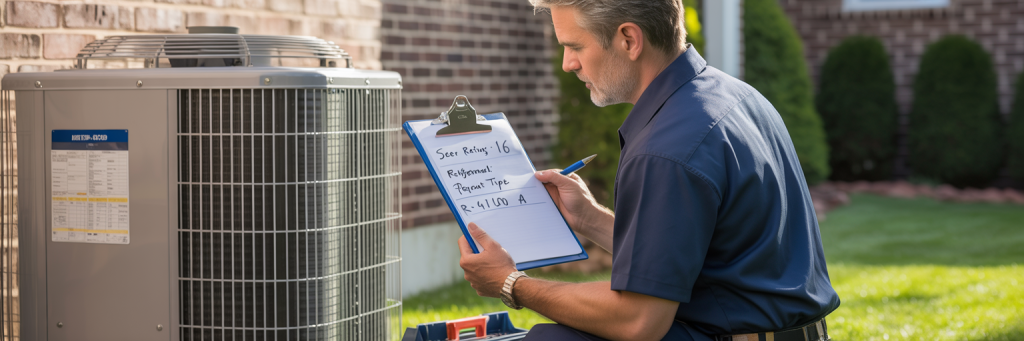
A reputable technician won’t just step inside and say, “You need a new system.” They’ll evaluate your setup against key industry benchmarks—and in Wichita’s extreme climate, these thresholds matter more than ever.
- SEER Rating – Below 13 SEER? Your system’s outdated. Modern models reach 15–20+ SEER, cutting energy bills and lowering your carbon footprint.
- Age – In Wichita, once a system passes the 10-year mark, it’s entering high-risk territory for costly failures.
- Refrigerant Type – If your unit still runs on R-22 (Freon), repairs will soon be expensive, or impossible, as the refrigerant is phased out.
- Repair Frequency – Spending close to 10% of a new system’s cost in annual repairs? It’s time to stop patching and start planning.
- Air Quality Issues – Persistent humidity, stale air, or allergy flare-ups point to a system that can no longer maintain healthy indoor conditions.
Technicians aren’t just looking for breakdowns—they’re diagnosing the overall health and long-term viability of your HVAC system.
Replacement vs Repair: How to Know When It’s Really Time
It’s one of the hardest decisions a homeowner can make—repair or replace? Here’s how to get past the stress and make the right call with confidence:
- The 50% Rule – If the repair cost is more than half the price of a new system, replacement is the smarter investment.
- Parts Availability – Older systems often need discontinued or specialty parts that drive repair costs sky-high.
- Modern Comfort Upgrades – Today’s systems offer variable-speed motors, smart thermostats, and zoning technology that not only save money but give you custom comfort all year long.
The Wichita Homeowner Advantage: Those who switched to modern systems reported:
- 30% lower energy bills
- Quieter operation
- Fewer allergy and asthma flare-ups
What to Expect During an HVAC Replacement (Timeline, Costs, and Prep)
Replacing your HVAC system doesn’t have to be stressful. With the right contractor, it’s a quick, well-organized process that delivers immediate comfort and efficiency.
- Timeline – Most Wichita homes can have a complete replacement in just 1–2 days. Add extra time if your ductwork needs significant modifications.
Prep Checklist:
- Clear a path to your indoor and outdoor units.
- Move any valuables or fragile items away from work areas.
- Confirm permits and inspections—top contractors will handle this for you.
When the job’s done, expect a full walkthrough from your technician, including system operation, thermostat programming, and maintenance tips to protect your investment.
Smart Homeowners Don’t Wait—They Plan for Long-Term Comfort
In Wichita, the most comfortable homes don’t happen by accident—they’re the result of smart, proactive planning.
By replacing your HVAC system before it fails, you gain:
- Rebates and flexible financing you might miss if you wait.
- High-efficiency zoning and air quality upgrades for custom comfort.
- Smart technology that learns your habits and adjusts automatically.
And ongoing maintenance? It’s not optional—it’s what can double your system’s lifespan while keeping warranties valid.
Don’t wait for breakdowns or budget surprises. Replace smart now, live better for years.
Ready to Act? Schedule a Comfort Evaluation with Larry Cook Heating & Cooling
For over 30 years, Larry Cook has helped Wichita homeowners make smart, confident HVAC decisions—built for Kansas weather, not generic national averages.
When you choose Larry Cook Heating & Cooling, you get:
- Fully licensed and insured technicians
- Transparent pricing and honest advice
- Systems designed to perform in Wichita’s extreme climate
Don’t let your comfort, or your wallet, hang in the balance. Schedule your free comfort evaluation today and beat the rush. When you replace intentionally, you’re not just fixing a problem, you’re upgrading your entire home experience.